

Dental Care for Kids: 7 Tips for Healthy Teeth and Gums
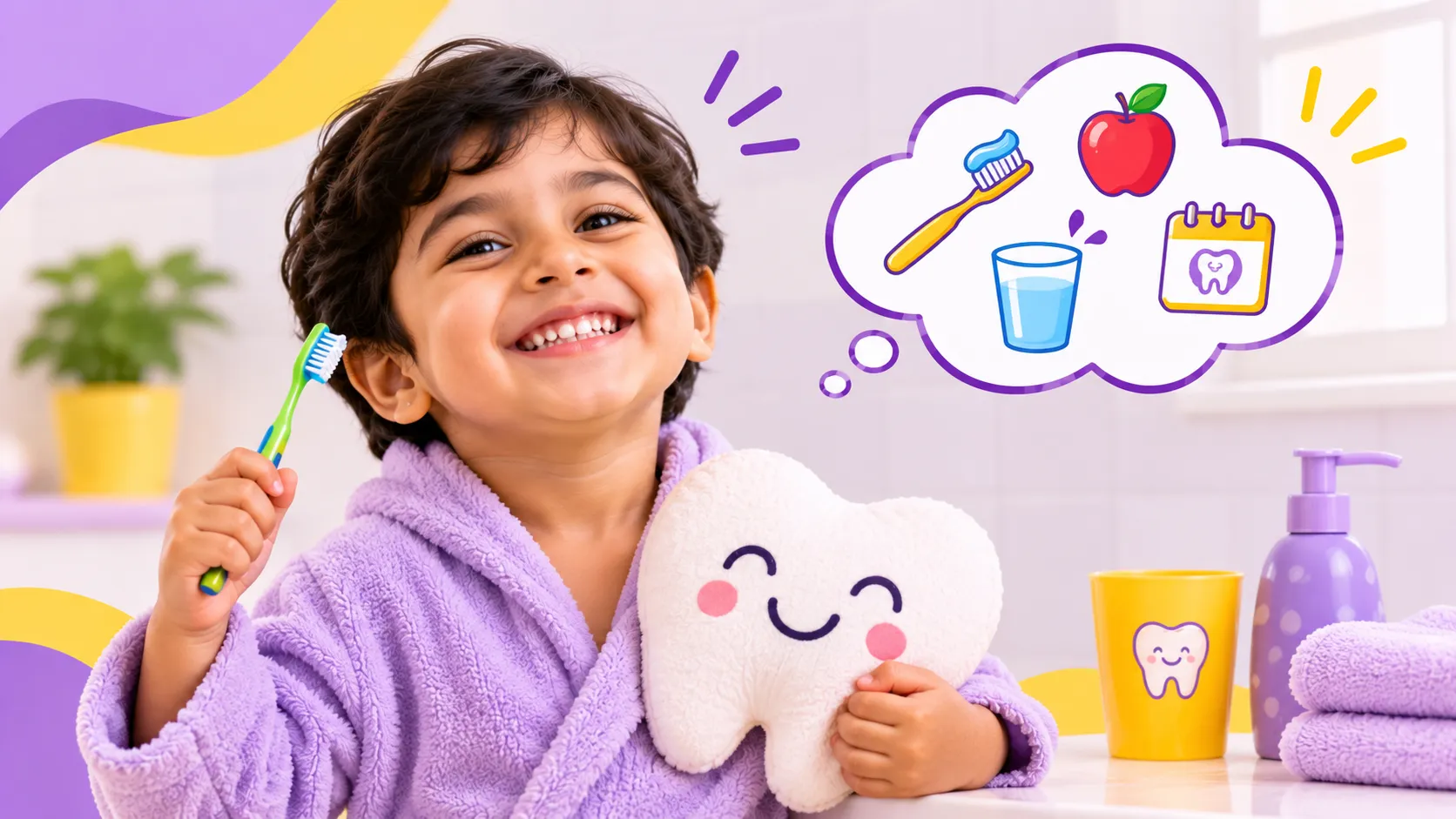
Learn 7 simple dental care tips for kids, from brushing with fluoride toothpaste to choosing tooth-friendly foods and preventing cavities in preschoolers.




Good dental care for kids begins as soon as their first tooth appears. Although baby teeth eventually fall out, they play an important role in helping children chew, speak clearly, smile confidently and maintain space for permanent teeth.
During the preschool years, children begin developing habits that can influence their oral health for years to come. Regular brushing with fluoride toothpaste, sensible food choices and early dental check-ups can help prevent tooth decay and keep little smiles healthy.
Let's explore more about dental care in the early years.
Why Are Baby Teeth Important for Children?
It's a common misconception that baby teeth don't require much care because they'll eventually fall out. In reality, baby teeth are essential because they help children:
- Bite and chew food comfortably.
- Develop clear speech.
- Maintain space for permanent teeth.
- Support healthy jaw development.
- Build confidence through a healthy smile.
Untreated tooth decay can cause pain, difficulty eating and sleeping, infections and, in severe cases, may even affect a child's concentration, learning and overall quality of life.
A child's first dental visit should ideally take place within six months of the first tooth erupting or by their first birthday. Early visits help identify concerns before they become serious and help children develop a positive relationship with dental care.
When should a child first visit the dentist?
A child's first dental visit should take place by their first birthday or within six months of the first tooth appearing. This allows the dentist to check early tooth development, identify possible concerns and guide parents on brushing and preventive care.
What Causes Tooth Decay in Young Children?
Early Childhood Caries, commonly known as tooth decay in young children, is one of the most common chronic childhood conditions worldwide. The good news is that it is largely preventable with good oral hygiene, healthy eating habits and regular dental check-ups.
Tooth decay occurs when bacteria in dental plaque feed on sugars from food and drinks, producing acids that gradually weaken tooth enamel. Over time, repeated acid attacks can lead to cavities if left untreated.
Frequent snacking on sugary foods or sipping sweetened drinks throughout the day increases this risk. Even milk can contribute to tooth decay when children are put to bed with a bottle, as prolonged exposure to its natural sugars allows bacteria to produce harmful acids.
It is not just the amount of sugar children consume that matters. How often they eat or drink sugary foods and beverages also affects their teeth. Frequent exposure gives plaque bacteria repeated opportunities to produce acids that damage tooth enamel.
5 Simple Dental Care Tips for Young Children
Brush Your Child's Teeth Twice a Day
Brush your child's teeth every morning and before bedtime using a soft-bristled, age-appropriate toothbrush and fluoride toothpaste. Use only a smear (rice grain-sized) amount for children under 3 years and a pea-sized amount for children aged 3–6 years.
Continue to supervise and help with brushing until your child can brush thoroughly on their own—usually around 6-7 years of age.
Make Daily Toothbrushing Fun
Children are more likely to enjoy brushing when it feels like play rather than a chore.
- Sing a two-minute brushing song.
- Let your child choose their toothbrush.
- Brush together as a family.
- Use reward charts that celebrate consistency rather than perfection.
Positive encouragement works far better than pressure or punishment.
Choose Foods That Support Healthy Teeth
A balanced diet supports both overall health and healthy teeth.
Offer plenty of:
- Fresh fruits and vegetables.
- Milk, curd and cheese.
- Whole grains.
- Nuts and seeds (age-appropriate and safely prepared).
- Plenty of water.
Fruits and vegetables such as apples, carrots and cucumbers can be part of a balanced, tooth-friendly diet. Chewing stimulates saliva, which helps neutralise acids in the mouth. However, these foods do not replace brushing with fluoride toothpaste.
Offer whole fruit more often than fruit juice, and choose plain milk, unsweetened curd and water over sweetened drinks.
Limit foods and drinks high in added sugar, especially sticky sweets, chocolates, toffees, caramel, sugary biscuits, packaged juices and fizzy drinks. Sticky foods cling to teeth for longer, giving cavity-causing bacteria more time to produce harmful acids.
Remember, how often children consume sugary foods is just as important as how much they eat. It's better to enjoy an occasional treat with a meal than to snack on sugary foods throughout the day.
While it's not always practical to brush immediately after every sweet treat, encourage your child to rinse their mouth with water afterwards and continue brushing twice daily with fluoride toothpaste.
Brush your child's teeth twice a day—once in the morning and once before bedtime—using a soft-bristled, child-sized toothbrush and fluoride toothpaste.
- For children under 3 years, use a smear of toothpaste about the size of a grain of rice.
- For children aged 3–6 years, use no more than a pea-sized amount.
An adult should apply the toothpaste and help with brushing. Encourage your child to participate but continue supervising and assisting until they can clean all tooth surfaces properly. Many children need help until at least age 7, and some need support for longer.
Once your child is able to spit reliably, encourage them to spit out excess toothpaste rather than rinse immediately with water. This helps fluoride remain on the teeth.
Choose Water Instead of Sugary Drinks
Avoid putting your child to bed with a bottle containing milk, juice or sweetened drinks. Repeated or prolonged exposure to these drinks during sleep can increase the risk of tooth decay. If your child still uses a bedtime bottle, ask your dentist or paediatrician about transitioning away from it; plain water is the safer option for teeth.
Water is the best drink between meals. It helps rinse away food particles, supports saliva production and keeps children hydrated.
Avoid putting your child to bed with a bottle containing milk, juice or sweetened drinks. If they still need a bedtime bottle, plain water is the safest choice.
As children grow, encourage them to transition from bottles to open cups or regular cups to support both oral health and healthy development.
Schedule Your Child's First and Regular Dental Visits
Regular dental check-ups (as advised by your dentist), can detect problems early, monitor healthy tooth development and provide preventive advice.
Early dental visits also help children become familiar with the dental clinic, reducing fear and anxiety over time.
Common Myths About Baby Teeth and Children's Dental Care
If my child isn't complaining, their teeth must be fine.
Tooth decay often develops without obvious symptoms in its early stages. Regular dental check-ups help identify problems before they become painful.
Fruit juice is healthier than soft drinks.
Although fruit juice contains vitamins, it also contains natural sugars that can contribute to tooth decay when consumed frequently. Whole fruits are a much healthier choice.
My child doesn't need help brushing anymore.
Most young children still need supervision and assistance until around 6-7 years of age as they generally lack the manual dexterity to ensure all tooth surfaces are cleaned properly.
Build Healthy Oral Hygiene Habits Early
Children learn by watching the adults around them. When they see parents brushing twice a day, choosing healthy foods, drinking water instead of sugary beverages and visiting the dentist regularly, they're far more likely to develop the same lifelong habits.
Make dental care part of your family's daily routine rather than something children are reminded about only when there's a problem. Small, consistent habits make the biggest difference.
In Conclusion
Healthy smiles don't happen by chance—they're built through small, everyday habits. By encouraging twice-daily brushing, healthy food choices, regular dental visits and positive routines, you're giving your child the best start towards a lifetime of healthy smiles.