

Healthy Weight in Children: 7 Things Parents Should Know
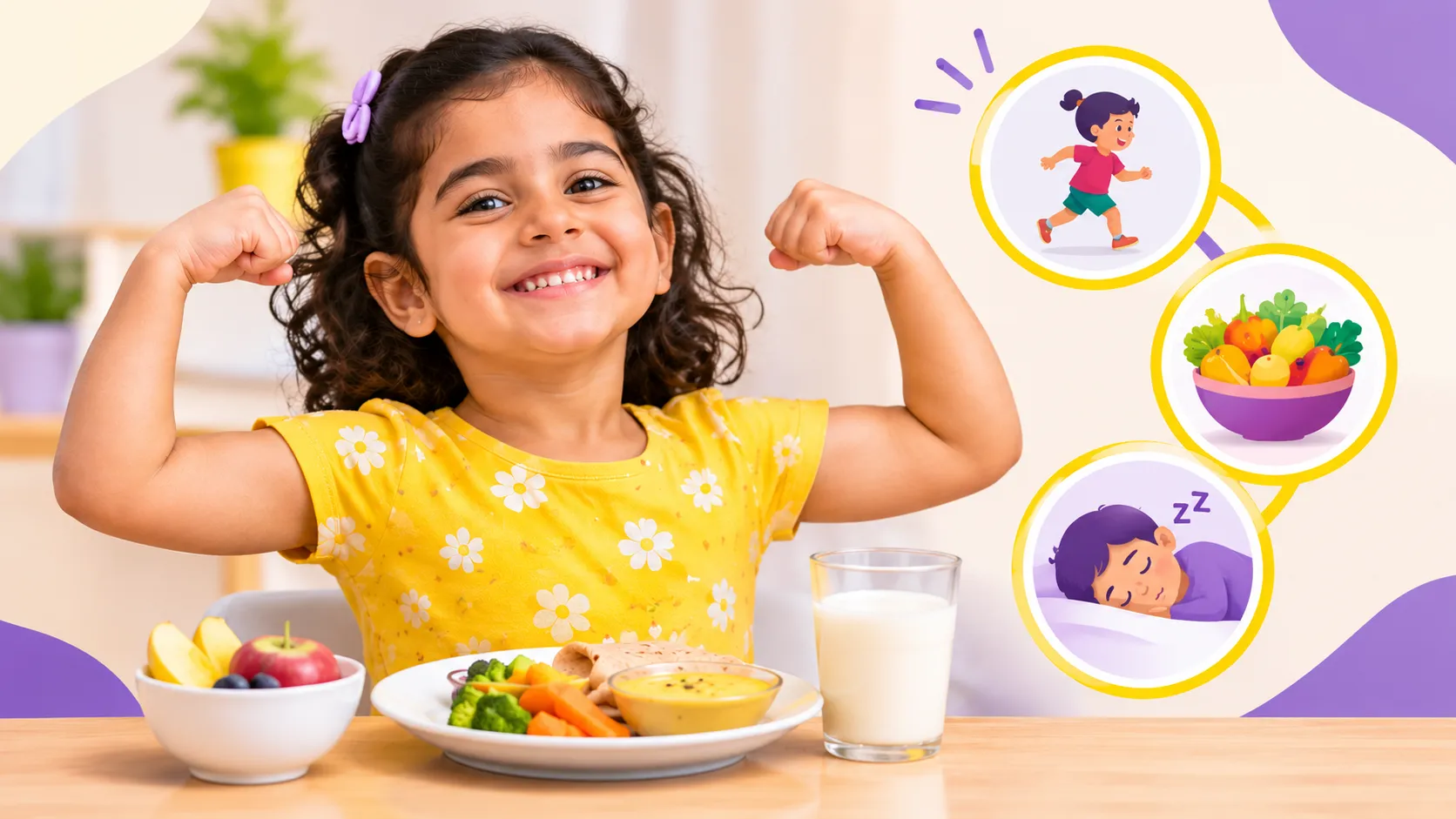
Is your child growing at a healthy pace? Learn how growth charts, balanced nutrition, active play and sleep support healthy weight in preschool children.




Every parent wants their child to grow up healthy, active and happy. It's natural to wonder whether your child is eating enough or growing well. In many Indian families, a chubby child is often seen as a healthy child, while a fussy eater may become a source of constant worry.
A healthy weight isn't determined by whether a child looks thin or chubby. It is understood by looking at growth over time, considering a child's age, height and overall development. During the preschool years, appetite and growth can change, and children do not all follow the same pattern.
Rather than focusing on a number on the weighing scale, parents can support healthy growth by offering nutritious meals, encouraging active play, making time for adequate sleep and seeking professional advice when they have concerns.
How Can Parents Know If Their Child Is Growing at a Healthy Weight?
A child's healthy weight is assessed in relation to their age, height and sex, using appropriate growth charts. Paediatricians look at measurements over time rather than relying on a single reading on the weighing scale. They may also consider the child's eating habits, activity levels, medical history and overall development. If parents have concerns about their child's growth, a paediatrician can help interpret the measurements and recommend appropriate next steps.
What Is a Healthy Weight?
A healthy weight is one that supports your child's overall growth, development and wellbeing. It isn't determined by appearance alone.
Paediatricians assess growth using:
- Weight in relation to age.
- Height or length in relation to age.
- Weight in relation to height, or BMI-for-age where appropriate.
- Age- and sex-specific growth charts.
- Changes in growth patterns over time.
A single measurement does not tell the whole story. What matters is how a child's growth changes over time and whether the pattern is appropriate for that child.
Rather than focusing on a number on the weighing scale, it's more helpful to look at steady growth over time.
How Do Growth Charts Help Track a Child's Growth?
Growth charts help paediatricians understand how a child's height and weight change as they grow. They compare measurements with reference patterns for children of the same age and sex.
A growth percentile is not a school grade, and a higher percentile is not automatically better. A child's measurements need to be considered together and followed over time. A paediatrician can explain what the growth pattern means for your child and whether any follow-up is needed.
Parents should avoid using online weight charts or comparisons with other children to decide whether their child needs to gain or lose weight.
Every Child Grows Differently
Just as adults come in different shapes and sizes, so do children. Some are naturally lean, while others have a sturdier build. Genetics, nutrition, sleep, physical activity and overall health all influence growth.
It's also normal for preschoolers' appetites to vary from day to day, especially during growth spurts or after illness. Instead of insisting they "finish everything on the plate", encourage children to listen to their hunger and fullness cues. This helps build a healthy relationship with food from an early age.
A child who is naturally smaller than their peers may be growing perfectly well, just as a child with a larger build may need their growth pattern assessed. Neither appearance nor comparison with other children is enough to determine whether a child is healthy.
Why Healthy Weight Matters
Maintaining a healthy weight during early childhood supports both immediate and long-term health.
Children who develop healthy lifestyle habits early are more likely to:
- Have steady physical growth.
- Build strong bones and muscles.
- Develop healthy eating habits.
- Stay active and energetic.
- Support overall health and wellbeing as they grow.
The goal isn't to achieve a ‘perfect’ weight but to support healthy growth through balanced nutrition, active play, adequate sleep and positive family habits.
Simple Ways to Support Healthy Growth
Offer a Variety of Balanced, Nutritious Foods
Serve a variety of foods each day, including:
- Add water as an everyday drink.
- Whole grains such as chapati, rice, millets and oats.
- Fruits and vegetables of different colours.
- Milk, curd and other dairy items.
- Protein-rich foods such as dal, beans, eggs, fish or lean meat.
- Healthy fats from nuts, seeds and vegetable oils (prepared safely for young children).
For younger children, prepare nuts, seeds and other foods in age-appropriate forms to reduce choking risks. Avoid offering whole nuts to children who are not developmentally ready to chew them safely.
A colourful, balanced plate provides the nutrients children need for healthy growth.
Most healthy preschoolers do not need commercial nutrition powders or health drinks if they eat a balanced diet. Whole foods provide the nutrients children need, unless a doctor recommends supplementation.
Respect Hunger and Fullness Cues
Parents decide what, when and where food is offered, while children decide whether and how much to eat.
Avoid forcing, bribing or distracting children into eating, as these practices can interfere with their natural ability to regulate hunger and fullness.
Respecting their appetite helps build a healthy relationship with food.
A child may eat more at one meal and less at another. Offer regular meals and snacks, include nutritious options and allow children to respond to their appetite. If you are concerned about consistently low food intake or growth, seek advice from a paediatrician rather than trying to increase portions through pressure.
Make Sugary Foods and Drinks Occasional Choices
Treat sweets, sugary drinks, packaged snacks and fast food as occasional foods rather than everyday choices. Healthy eating is about balance, not complete restriction.
Focus on the overall eating pattern rather than worrying about an occasional treat. Water, home-cooked meals, seasonal produce and minimally processed foods can form the foundation of everyday eating habits.
Make Active Play Part of Everyday Life
Young children need plenty of opportunities to move and engage in energetic play. Running, jumping, climbing, dancing and outdoor play support healthy growth, coordination and overall wellbeing.
Children do not need a formal exercise routine. Running in the park, dancing to music, cycling, playing ball, climbing and outdoor games all provide opportunities to move. The aim is to make physical activity an enjoyable part of the day.
WHO recommends that children aged 3–4 years get at least 180 minutes of physical activity across the day, including at least 60 minutes of moderate-to-vigorous activity. For children aged 2 years, the recommendation is at least 180 minutes of activity spread throughout the day.
Build Consistent, Healthy Sleep Habits
Good-quality sleep supports growth, learning, appetite regulation and emotional wellbeing.
Preschoolers generally need 10–13 hours of sleep in 24 hours, including naps where appropriate. Sleep needs vary with age. WHO recommends 11–14 hours of sleep in 24 hours for children aged 1–2 years, including naps, and 10–13 hours for children aged 3–4 years. A consistent bedtime and wake-up routine can help children get adequate rest.
Balance Screen Time with Play and Movement
Too much screen time often replaces active play, family interaction and sleep.
The World Health Organization recommends limiting recreational screen time to no more than one hour a day for children aged 2–5 years, with less being better.
For children aged 2–4 years, WHO recommends no more than one hour of sedentary screen time a day, with less being better. Encourage children to spend more time in active play, storytelling, reading and face-to-face interaction.
Avoid Comparing Children
Every child grows at their own pace. Comparing your child's weight, height or eating habits with siblings, cousins or classmates can create unnecessary anxiety and affect their confidence.
If you're concerned about your child's growth, speak to your paediatrician rather than relying on comparisons or well-meaning advice.
Common Myths About Children's Weight
A chubby child is always a healthy child.
Not necessarily. Health is determined by overall growth, nutrition, physical activity and development—not appearance alone.
A child must finish everything on the plate.
Children are naturally able to regulate their appetite. Respecting their hunger and fullness cues encourages lifelong healthy eating habits.
Healthy food is expensive.
Nutritious meals don't have to cost more. Everyday Indian foods such as dal, seasonal fruits and vegetables, curd, eggs, millets and home-cooked meals are excellent choices.
My child is active, so junk food doesn’t matter.
Regular physical activity is important, but it doesn't offset the effects of a diet high in added sugars, salt and highly processed foods.
Both healthy eating and active play are essential for overall health.
When Should You Consult a Paediatrician About Your Child's Growth?
Every child has an individual growth pattern. However, certain changes deserve attention, particularly when they persist or occur alongside other symptoms.
Consult your paediatrician if your child:
- Is consistently losing weight or not growing as expected.
- Has a very limited diet or refuses most foods.
- Seems unusually tired or inactive.
- Has difficulty chewing or swallowing.
- Has persistent vomiting, diarrhoea, feeding or other digestive concerns.
- Shows sudden or significant changes in appetite or weight.
Your doctor can assess your child’s growth using standard growth charts and recommend further evaluation if needed.
These signs do not necessarily mean there is a serious health problem, but they should be discussed with a healthcare professional. Avoid starting weight-gain products, restrictive diets or supplements without medical advice.
Building Healthy Habits for Life
Children learn by watching the adults around them.
Whenever possible, enjoy meals together as a family. Shared mealtimes encourage healthy eating habits, expose children to a variety of foods and create positive associations with eating. Keep mealtimes relaxed and avoid using food as a reward or punishment.
Celebrate what children's bodies can do—run, jump, climb, dance and explore—rather than focusing on how they look.
In Conclusion
Healthy weight is about much more than the number on a weighing scale. It reflects balanced nutrition, regular physical activity, adequate sleep and steady growth over time.
By offering nourishing meals, encouraging active play, respecting your child's appetite and creating positive family routines, you're helping build healthy habits that can last a lifetime. After all, the goal isn't simply to raise children who eat well today, but confident, healthy individuals who enjoy food, movement and caring for their bodies throughout life

FAQs
How do I know if my child is at a healthy weight?
What is a normal weight for a 3-year-old child?
What foods support healthy growth in preschool children?
Should I worry if my preschooler is a picky eater?
How much physical activity do preschoolers need?
How much sleep do preschool children need?
How do I know if my child is at a healthy weight?
What foods support healthy growth in preschool children?
How much physical activity do preschoolers need?
What is a normal weight for a 3-year-old child?
Should I worry if my preschooler is a picky eater?
How much sleep do preschool children need?