



How to Make Learning Fun at Home for Kids | Kidzee
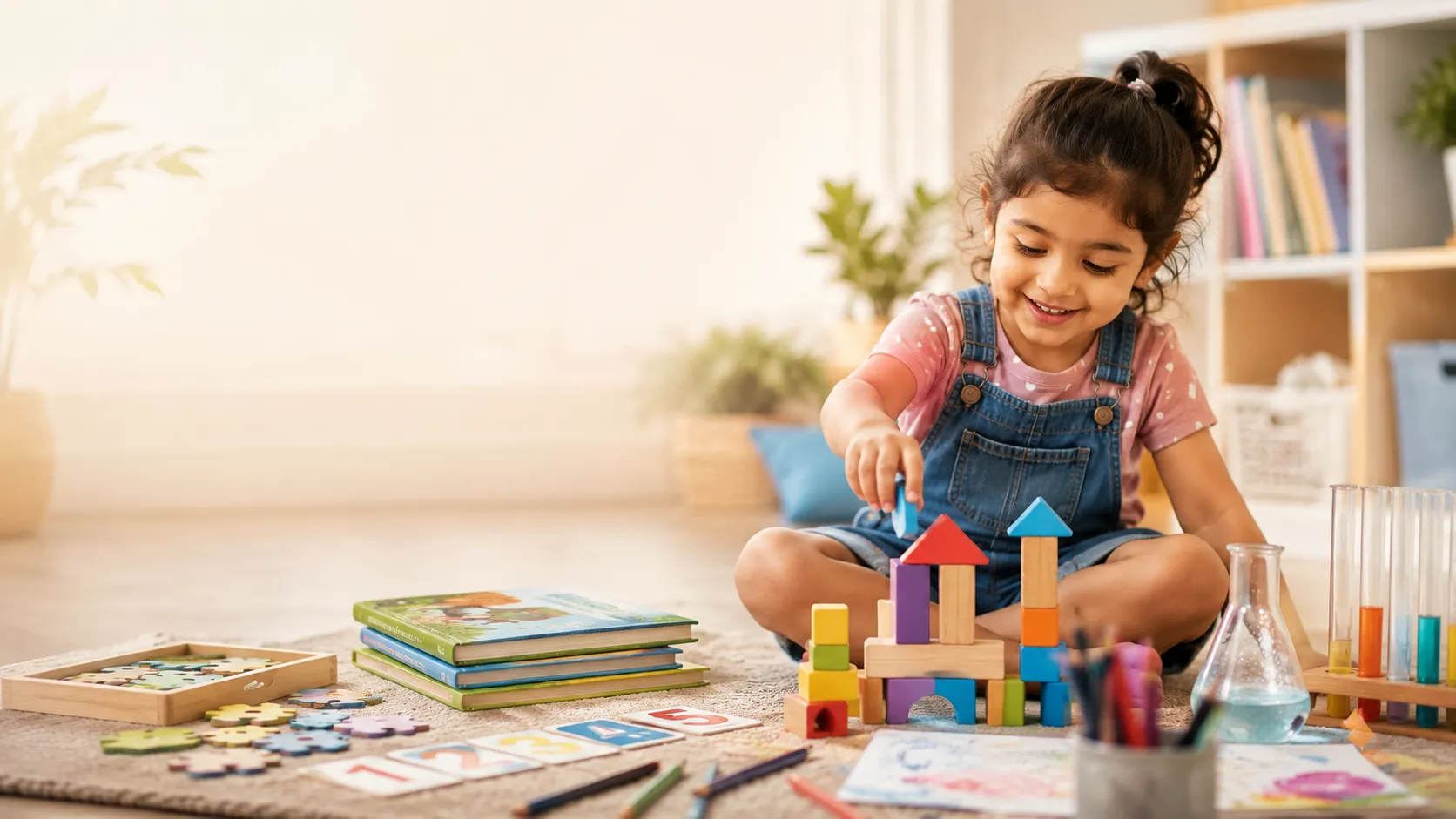
Discover creative and fun ways to make learning enjoyable at home for kids through games, activities, storytelling, hands-on learning, and play-based education techniques.




As a parent, you want your child to have the best education possible. However, with the current circumstances and schools being closed, it can be challenging to keep your preschooler engaged and excited about learning at home. But fear not, with a little creativity and patience, you can make learning fun for your child at home. In this article, we will share some tips and activities to help you make learning enjoyable for your preschooler while staying at home.
1. Create a designated learning space:
One of the first things you can do to make learning fun at home is to create a designated learning space for your child. It could be a corner in their room or a specific area in the house. This space should be inviting and comfortable, with all the necessary supplies and materials easily accessible. Having a designated area for learning will create a sense of structure and routine for your child, making them more focused and engaged in their activities.
2. Use everyday objects for learning:
You don't need fancy educational materials to teach your child at home. You can use everyday objects found in your house to create fun and educational activities for your preschooler. For example, use buttons as counting tools, or have them sort different coloured socks while learning colours. This way, learning becomes more tangible and relatable for your child.
3. Incorporate music and movement:
Preschoolers are full of energy and love to move around. So why not incorporate music and movement into their learning activities? You can create simple songs or dances that reinforce concepts like counting, the alphabet, or shapes. This will not only make learning fun but also help develop your child's motor skills and coordination.
4. Make use of technology:
Technology can also be a great tool for making learning fun at home. There are many educational apps and games designed specifically for preschoolers that are both entertaining and educational. You can also find educational videos on streaming platforms like YouTube that teach various concepts in a fun and engaging way. Just make sure to monitor your child's screen time and choose age-appropriate content.
5. Use storytelling:
Storytelling is an excellent way to make learning fun for preschoolers. Choose books or stories that align with the concepts you want to teach and use props or puppets to make it more interactive. You can also encourage your child to create their own stories using their imagination, which will not only improve their storytelling skills but also enhance their creativity.
6. Plan themed activities:
Another way to make learning fun at home is by planning themed activities based on your child's interests. For example, if your child loves dinosaurs, you can have them do a Panda-themed scavenger hunt or make a model of Panda. Themed activities not only make learning more exciting but also allow your child to explore their interests and learn in a hands-on way.
7. Take learning outdoors:
Spending time outdoors is not only beneficial for your child's physical health but also great for learning. Take advantage of your backyard or local park and have your child explore nature while learning about different plants, animals, and insects. You can also have them collect leaves, rocks, or other natural materials to use in art or science projects.
8. Involve them in daily tasks:
Preschoolers love to be involved in everyday tasks, so why not make it a learning experience? Have your child help you with simple tasks like setting the table while counting how many plates and utensils are needed or sorting the laundry by colour. This will not only give them a sense of responsibility but also reinforce basic concepts like counting and sorting.
9. Encourage sensory play:
Sensory play is crucial for a preschooler's development and a great way to make learning fun at home. You can create sensory bins filled with materials like rice, beans, or water and have your child explore and play while learning. You can also add letters, numbers, or shapes to the bin for your child to identify and sort. Sensory play not only engages the senses but also helps with cognitive development.
10. Be patient and have fun:
Last but not least, it's essential to be patient and have fun while making learning enjoyable for your preschooler at home. Don't worry if things don't go according to plan or if your child gets distracted. Remember that every child learns at their own pace, and the most important thing is to create a positive and enjoyable learning environment for your child.
In conclusion, learning at home can be just as fun and effective as learning in a traditional classroom setting. With these tips and activities, you can make learning an exciting and engaging experience for your preschooler while staying at home. Remember to be creative, incorporate your child's interests, and most importantly, have fun together!
Frequently asked questions
1. How can parents make learning fun at home for kids?
Parents can make learning fun at home by using games, storytelling, hands-on activities, music, and creative play to teach new concepts. Children learn better when educational activities feel enjoyable, interactive, and stress-free. Simple activities like puzzles, cooking, art, and role-play can improve problem-solving, creativity, and curiosity while keeping children actively engaged in learning.
2. What are the best fun learning activities for preschoolers at home?
Some of the best home learning activities for preschoolers include alphabet games, counting activities, storytelling, DIY crafts, sensory play, music, and educational puzzles. These activities help children improve language skills, motor development, creativity, and concentration while making early learning more engaging and enjoyable.
3. Why is play-based learning important for children?
Play-based learning is important because it helps children develop cognitive, social, emotional, and communication skills naturally through exploration and interaction. Children learn faster when they are actively involved in playful experiences that encourage creativity, curiosity, teamwork, and independent thinking.
4. How can parents improve a child’s interest in studying at home?
Parents can improve a child’s interest in learning by creating a positive environment, celebrating small achievements, using interactive teaching methods, and avoiding excessive pressure. Short, engaging activities combined with encouragement and variety help children stay motivated and develop a love for learning over time.
5. What are simple ways to make learning interactive for kids?
Interactive learning can include educational games, quizzes, storytelling, science experiments, flashcards, movement-based activities, and real-life learning experiences. Multi-sensory activities help children retain information better and make learning more enjoyable at home.
6. How does fun learning help early childhood development?
Fun learning activities support early childhood development by improving memory, language skills, creativity, emotional confidence, communication, and critical thinking. Interactive learning experiences also help children develop curiosity, adaptability, and stronger problem-solving abilities from an early age.
7. Can educational games improve learning outcomes in children?
Yes, educational games can improve learning outcomes by making concepts easier to understand and more engaging for children. Games encourage active participation, focus, memory retention, and logical thinking, helping children build academic and social skills in an enjoyable and stress-free manner.