
When Should Kids Start Learning to Read? A Parent’s Complete Guide
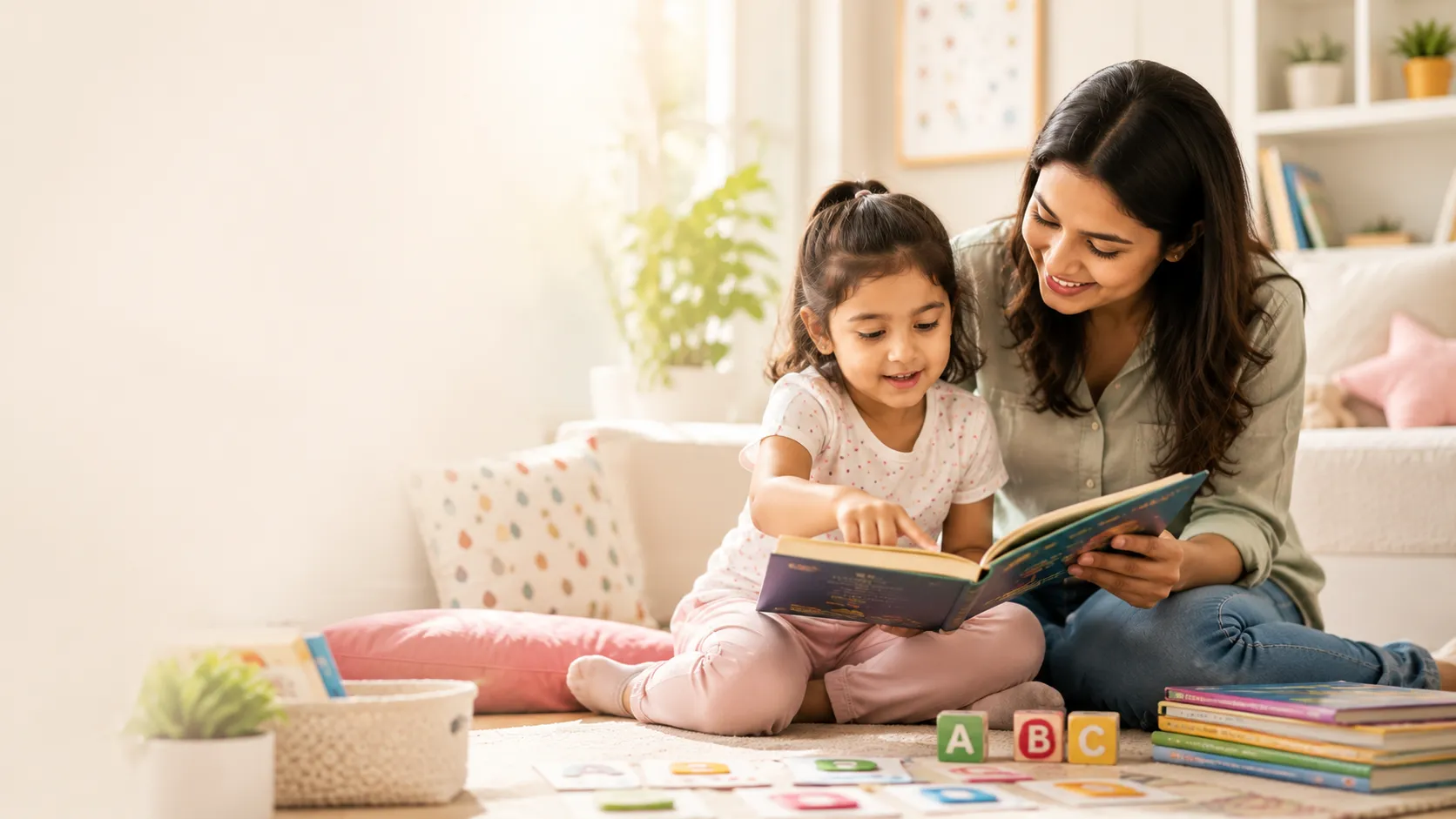
Discover when kids should start learning to read, key reading readiness signs, literacy milestones, and practical tips to support early reading development in children.




One of the most common questions parents ask is: When should kids start learning to read? The answer may surprise many people. Reading development actually begins long before a child can recognise words in a book. From birth, children start building the language and listening skills that eventually help them become readers.
Experts agree that there is no single “perfect” reading age for kids because every child develops at their own pace. However, most children begin showing early reading skills between the ages of 3 and 5, while more confident reading often develops between ages 5 and 7. The key is to support children gradually through each stage of literacy development.
The Early Stages of Reading Development
The process of literacy development in children happens naturally in stages. During the first few years of life, children learn by listening to conversations, songs, and stories. This early exposure helps build vocabulary, memory, attention, and comprehension skills.
Birth to 3 Years: Pre-Reading Stage
At this stage, children enjoy listening to stories, looking at pictures, and exploring books. They may pretend to read by turning pages or copying the tone of adults. These activities are important because they create a positive connection with books and language.
Ages 3 to 4: Early Emergent Reading
Children begin recognising letters, environmental print, and rhyming sounds. They start understanding that print carries meaning and may remember familiar books. This is an important stage for developing phonological awareness.
Ages 4 to 5: Emergent Reading
Children begin connecting letters with sounds and sounding out simple words like “cat” or “dog.” They may recognise high-frequency words and retell stories with detail. These are strong signs that reading skills are developing.
Ages 5 to 7: Early Reading and Fluency
Most children become more independent readers during these years. They begin reading short sentences, understanding stories, and improving reading fluency and confidence.
Why Early Reading Skills Matter
Research shows that early reading development supports overall academic success. Strong reading skills help children learn better in subjects such as math, science, and social studies. Reading also improves communication, creativity, confidence, and independence.
Children who are exposed to books and language early often develop stronger vocabulary and comprehension skills later in life. Reading is not just about recognising words—it is about understanding meaning and connecting with the world around them.
How to Teach Reading to Kids
Parents and teachers often wonder how to teach reading to kids effectively. The best approach is to make reading fun, interactive, and age-appropriate.
Here are a few helpful strategies:
-
Read aloud to children every day.
-
Teach letter sounds before focusing on writing.
-
Use visuals, songs, and storytelling to strengthen memory.
-
Encourage rhyming games and sound recognition activities.
-
Let children explore books independently.
-
Praise effort and progress to build confidence.
Teaching letter sounds first is especially important because children learn to hear sounds before they learn to write symbols. This sound-first approach helps children connect spoken language with printed words more naturally.
Final Thoughts
So, when kids should learn to read depends on their individual development, exposure to language, and learning environment. The most important thing is not rushing the process but creating a rich and supportive reading experience from an early age.
With patience, encouragement, and consistent exposure to books and language, children can develop strong reading habits that support lifelong learning and success.

Build Strong Early Literacy Skills with Kidzee
At Kidzee, our preschool programmes focus on developing foundational language and literacy skills through storytelling, phonics-based activities, rhymes, conversations, and play-based learning. These early experiences help children build confidence, vocabulary, and a lifelong love for reading while preparing them for future academic success.
FAQs:
1. What is the best age for children to start learning to read?
Most children begin developing early reading skills between the ages of 3 and 5 years, although every child progresses at their own pace. Rather than focusing on a specific age, parents should look for reading readiness signs such as interest in books, recognising letters, understanding sounds, and enjoying storytelling. Building a love for language early often leads to stronger reading skills later.
2. How do I know if my child is ready to learn to read?
Children are often ready to start learning to read when they can recognise some letters, identify rhyming words, follow simple stories, and show curiosity about books and printed words. Reading readiness also includes listening skills, vocabulary development, and the ability to connect sounds with letters.
3. What are the early signs of reading readiness in preschoolers?
Common signs of reading readiness include recognising alphabet letters, understanding that print carries meaning, enjoying storybooks, identifying sounds in words, and pretending to read. These foundational literacy skills help children transition smoothly into formal reading instruction.
4. How can parents help children learn to read at home?
Parents can support reading development by reading aloud daily, discussing stories, singing rhymes, introducing alphabet games, and encouraging conversations. Creating a language-rich environment helps children build vocabulary, comprehension, phonics awareness, and confidence in reading.
5. Should children learn phonics before they start reading?
Yes, phonics plays a crucial role in early reading development. Learning letter sounds helps children decode words, improve pronunciation, and understand how written language works. Phonics-based learning often makes reading easier and more enjoyable for young children.
6. Is it normal if my child is not reading by age 5?
Yes, children develop reading skills at different rates. While some children begin reading simple words by age 5, others may take longer to develop literacy skills. Consistent exposure to books, language activities, and supportive learning experiences is usually more important than achieving reading milestones at a specific age.
7. What are the biggest mistakes parents make when teaching reading?
One common mistake is putting too much pressure on children to read before they are developmentally ready. Comparing children with peers, focusing only on memorisation, or turning reading into a stressful activity can reduce motivation. Reading should be enjoyable, interactive, and suited to the child's pace and interests.
8. Why is reading important for early childhood development?
Reading supports language development, vocabulary growth, communication skills, imagination, critical thinking, and academic readiness. Children who are exposed to books and storytelling from an early age often develop stronger literacy skills, better concentration, and a lifelong love of learning.
9. Can preschool programmes help children learn to read?
Yes, quality preschool programmes introduce foundational literacy skills through storytelling, phonics activities, rhymes, vocabulary-building exercises, and interactive learning experiences. These activities help children develop the confidence and skills needed for future reading success.
10. What is the difference between learning to read and reading readiness?
Reading readiness refers to the foundational skills children develop before formal reading begins, such as letter recognition, listening comprehension, vocabulary, and phonological awareness. Learning to read involves applying these skills to recognise words, understand text, and read independently. Developing strong reading readiness skills often leads to smoother reading progress later.