
Separation Anxiety in Kids: Signs, Causes & Parent Tips
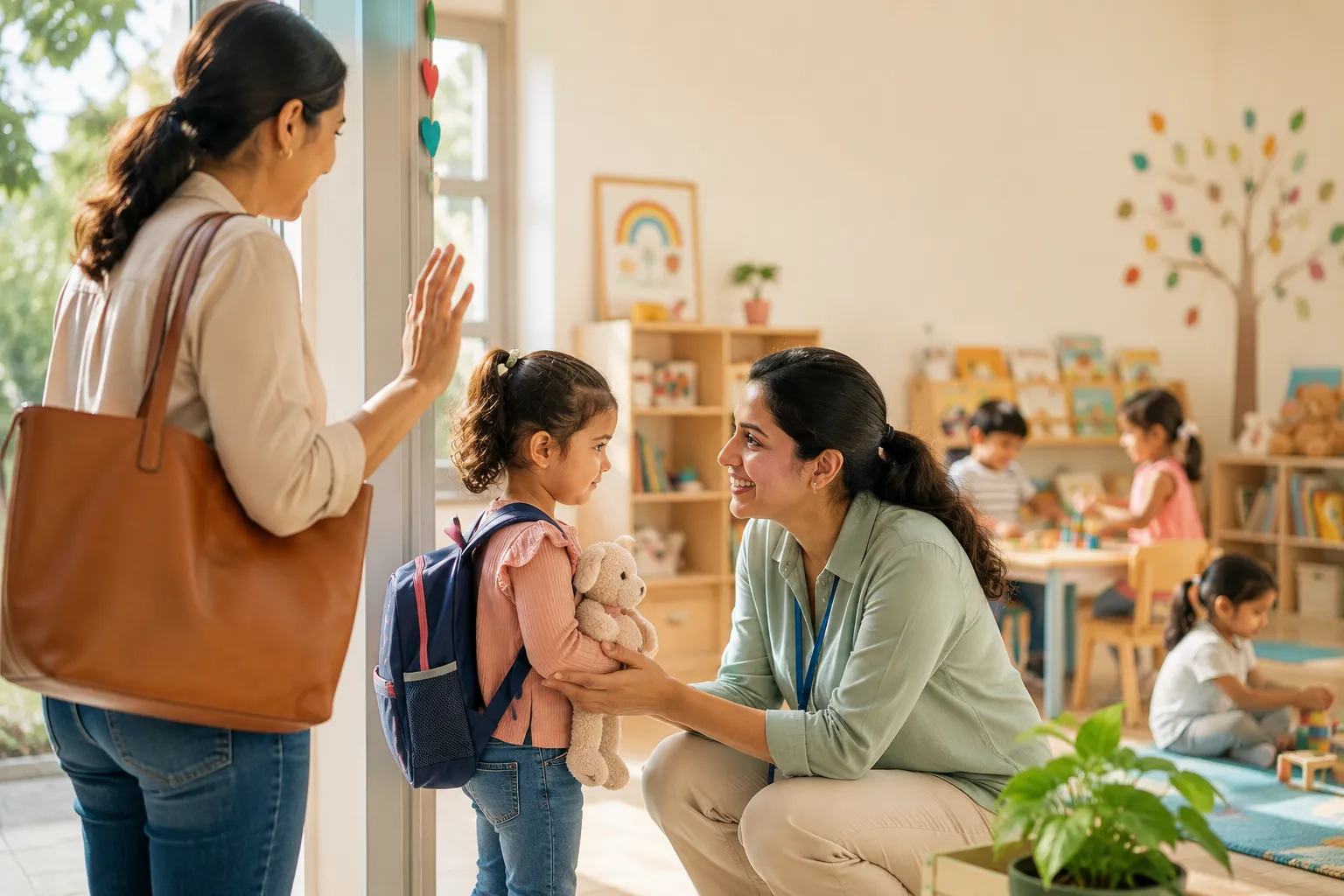
Learn what separation anxiety in kids is, its signs, causes, and practical strategies to help your child feel secure, confident, and independent.




Breaking the Bonds: A Parent's Guide to Separation Anxiety in Kids
Key Takeaways
-
Separation anxiety is a normal stage of child development, especially in babies, toddlers, and preschoolers.
-
Children with separation anxiety may experience distress during school drop-offs, daycare, bedtime, or when away from their primary caregiver.
-
Gentle routines, reassurance, and gradual separation can help children build confidence and emotional security.
-
Persistent or severe separation anxiety may require professional support to help children cope effectively.
Separation anxiety is a common occurrence in children, particularly in the toddler and preschool years. It is a normal part of development and can be seen as a sign of a healthy attachment between a child and their caregivers. However, it can also be a distressing experience for both children and parents, especially if it interferes with daily activities such as going to school or being away from a parent for an extended period of time.
As a parent, it is important to understand what separation anxiety is and how to support your child through this phase. In this blog, we will explore what separation anxiety is, its causes, and some tips on how parents can help their child cope with it.
What is Separation Anxiety?
Separation anxiety is a type of anxiety disorder that occurs when a child feels anxious or distressed when separated from their caregiver. It usually begins around the age of 8-14 months when a child starts to develop a sense of object permanence, meaning they understand that objects or people still exist even when they can't see them. This realisation can cause a child to become fearful and anxious when separated from their primary caregiver.
While separation anxiety is a normal developmental milestone, it usually improves as children gain confidence and independence.
Causes of Separation Anxiety:
There is no one specific cause for separation anxiety in children. It can be triggered by various factors such as genetics, temperament, and environmental influences. Some children may be more prone to separation anxiety due to their natural temperament, while others may develop it due to past experiences such as moving to a new school or city.
Additionally, if a child has experienced a significant change or loss in their life, such as a divorce or the death of a loved one, they may also develop separation anxiety as a coping mechanism. It is important to note that separation anxiety can occur in any child, regardless of their background or upbringing.
Signs and Symptoms of Separation Anxiety:
The most common signs and symptoms of separation anxiety include:
- Excessive crying or distress when separated from a parent or caregiver
- Refusal to go to school or daycare
- Constant worry about the safety of their parent or caregiver
- Clinging behaviour and not wanting to be left alone
- Physical symptoms such as stomach aches, headaches, and nausea
- Difficulty falling asleep or staying asleep without a parent present
Help your child build confidence, resilience, and a lifelong love for learning—explore our Preschool Programme or begin your admissions journey today.
How to Help Your Child Cope with Separation Anxiety:
As a parent, it can be difficult to see your child struggling with separation anxiety. However, there are some steps you can take to help your child cope with their fears and manage their anxiety.
1. Acknowledge and Validate Their Feelings:
The first step in helping your child cope with separation anxiety is to acknowledge and validate their feelings. It is essential to let them know that it is normal to feel scared or anxious when separated from their primary caregiver. This validation can help them feel understood and less alone in their experience.
2. Practice Separation in Small Increments:
Instead of leaving your child for an extended period of time, start with short separations and gradually increase the time. This will help your child build up their tolerance for being away from you and learn that you will always come back.
3. Establish a Goodbye Ritual:
Creating a goodbye ritual can help ease the transition for both you and your child. This could be something as simple as a special hug or kiss, saying a special phrase, or giving them a small object that reminds them of you.
4. Be Consistent:
Children thrive on routine and consistency. It is important to establish a consistent routine for goodbyes so that your child knows what to expect and when you will return.
5. Encourage Independence:
Encourage your child's independence by letting them complete small tasks on their own, such as getting dressed or setting the table. This will help build their confidence and give them a sense of control over their environment.
6. Stay Calm and Positive:
It can be challenging to remain calm when your child is displaying distress, but it is crucial to stay positive and reassuring. Children can pick up on their parents' emotions, so staying calm can help them feel more at ease.
7. Seek Professional Help if Needed:
If your child's separation anxiety is severe and interfering with their daily life, it may be beneficial to seek professional help. A therapist or counselor can provide strategies and support for both you and your child.
Frequently Asked Questions
At what age does separation anxiety usually start?
Separation anxiety commonly begins between 8 and 14 months of age and is a normal part of early childhood development. It may continue into the toddler and preschool years.
Is separation anxiety normal in toddlers?
Yes. Separation anxiety is common in toddlers as they develop strong emotional attachments to their caregivers. Most children gradually outgrow it with reassurance, consistency, and positive experiences.
How long does separation anxiety last?
The duration varies from child to child. For many children, separation anxiety improves over several months as they gain confidence and become comfortable with short periods away from their caregivers.
When should parents seek professional help?
Parents should consider speaking with a healthcare professional if separation anxiety becomes intense, lasts for a prolonged period, prevents a child from attending school or participating in daily activities, or causes significant distress for the child or family.
Supporting Your Child Beyond Separation Anxiety
Helping a child through separation anxiety is just one part of supporting their emotional development. Parents may also benefit from learning about building healthy daily routines, positive discipline, school readiness, emotional regulation, and play-based learning. Together, these approaches help children develop resilience, confidence, and independence as they grow.
You may also enjoy reading:
Final Thoughts
Separation anxiety is a common experience for many children and can be a challenging time for both parents and their little ones. However, with patience, understanding, and consistent support, children can learn to cope with their fears and develop a sense of security and independence.
As parents, our role is to provide a safe and nurturing environment for our children to grow and thrive. By acknowledging and validating their feelings, practicing separation in small increments, establishing a goodbye ritual, being consistent, encouraging independence, staying calm and positive, and seeking professional help if needed, we can help our children manage their separation anxiety and build resilience for the future. Remember, this too shall pass, and with love and support, our children will overcome their fears and grow into confident individuals.
References & Further Reading
-
American Academy of Pediatrics (HealthyChildren.org): Understanding Separation Anxiety
-
Centers for Disease Control and Prevention (CDC): Child Development Milestones
-
UNICEF: Early Childhood Development Resources
-
American Psychological Association (APA): Anxiety in Children